Getting Around
Rental-car practicalities
Desde el mostrador · read, photograph, then drive
A car makes Guanacaste and the Central Pacific easier, and San José harder. This page covers the questions to ask and the habits that help. It does not cover prices, which vary by company, season and coverage.
Updated November 2026 · by the CostaRicaLocals.com team
At the counter
- Insurance. Basic third-party liability coverage is mandatory in Costa Rica and is sometimes not included in quotes shown on third-party sites. Ask exactly what the quote includes and what the deposit hold on your card will be.
- Your licence. A valid home licence is generally accepted for the length of a tourist stay; carry your passport with the entry stamp. Check current rules with the rental company.
- Photograph the car: every panel, the windscreen, tyres and the fuel gauge.
On the road
- Navigation. Waze and Google Maps are widely used; download offline maps for weak signal areas.
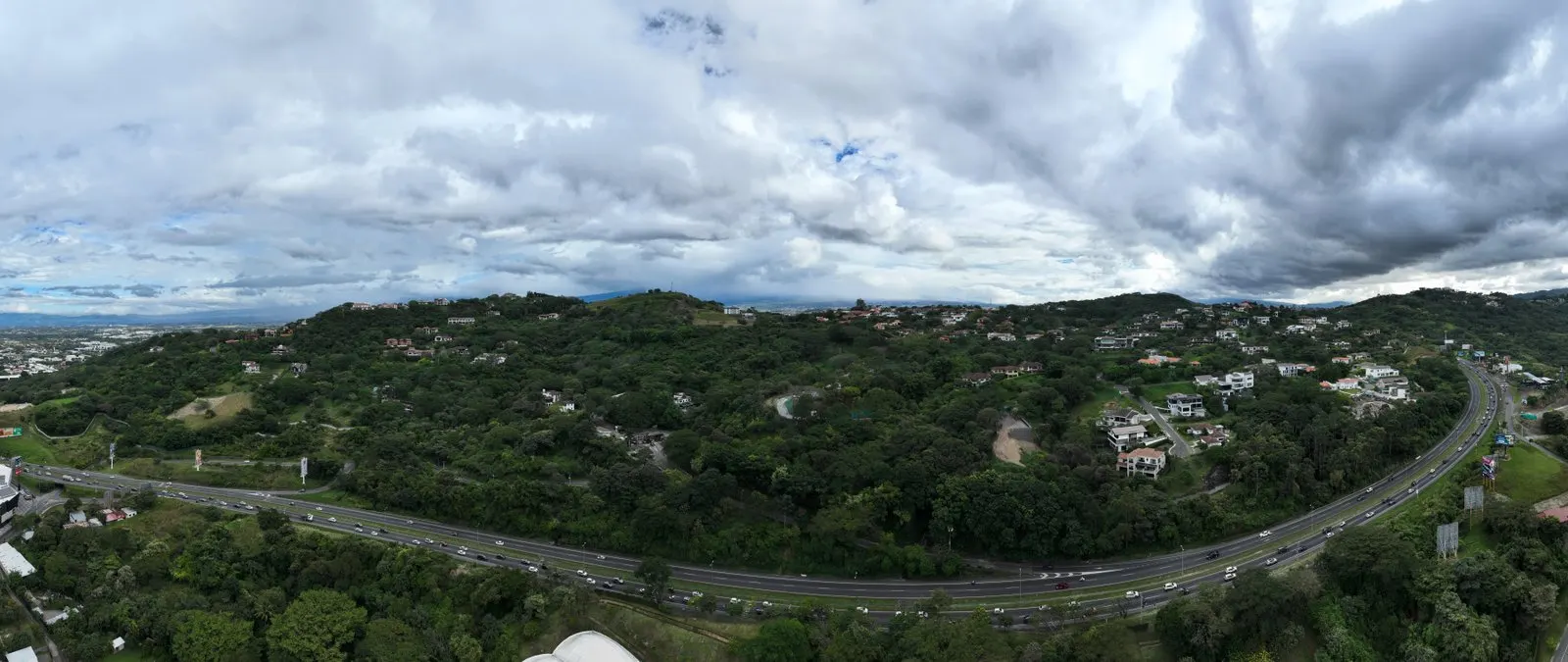
- Tolls. Route 27 toward the Central Pacific has toll booths; ask the rental company how tolls are paid with their cars.
- Plate restriction. San José restricts cars inside the central ring road on weekdays according to the last digit of the plate. Ask how it applies to your rental.
- One-lane bridges. Watch for "Ceda el paso" (give way) signs on your side.
- Fuel stations are attended; tell the attendant the fuel type and amount.
- Night driving. Darkness falls early all year; rural roads are unlit, with pedestrians, cyclists and animals.
Unpaved roads and rivers
Parts of the Nicoya Peninsula, including around Nosara, have unpaved roads and seasonal river crossings. A higher-clearance or 4x4 vehicle helps. Never drive into a flooded crossing; rental agreements commonly exclude water damage.
Parking and safety
Leave nothing visible in a parked car, use guarded parking where available, and expect informal parking attendants (cuidacarros) in town centres and at beaches.
Related
Questions people ask
Do I need a 4x4 in Costa Rica?
Not for the main routes between San José, Jacó, Quepos, Liberia, Coco and Tamarindo. It helps for unpaved areas such as parts of the Nicoya Peninsula, especially in the green season.
Is driving in San José a good idea?
Many visitors avoid it: traffic, one-way streets and the weekday plate restriction make taxis and ride-hail easier in the city.